Pickleball Overgrip Guide: When to Replace It, Types & How to Wrap
An overgrip is one of the cheapest ways to change how a pickleball paddle feels in your hand. It can add tack, absorb sweat, slightly increase grip circumference and restore a secure feel without replacing the paddle’s underlying factory grip.
But overgrips are consumables. Once the surface becomes slick, polished, dirty or saturated, squeezing harder is usually the wrong fix. A fresh overgrip can restore traction and let you hold the paddle more naturally.
What is a pickleball overgrip?
An overgrip is a thin strip of grip material wrapped over the grip already installed on your paddle. It is designed to be replaced regularly rather than treated as a permanent part of the handle.
It can change surface tack, sweat absorption, texture, handle circumference and slight cushioning. It does not change the paddle face, core or fundamental construction.
Overgrip vs replacement grip
Overgrip: a thin consumable layer installed over an existing grip. Replacement grip: the thicker base grip that replaces the original factory grip itself.
If the factory grip is intact but slippery, an overgrip is usually the simpler solution. If the base grip is torn, compressed or badly deformed, replacing it may make more sense.
Why use an overgrip?
Better traction
A fresh surface can reduce unwanted movement between your hand and handle, especially during fast forehand-backhand changes.
Sweat management
Absorbent overgrips can manage moisture better than a slick factory grip.
Small grip-size adjustment
Every added layer increases circumference slightly, useful when a stock handle feels a little too small.
Reversible experimentation
You can test a different surface feel without permanently modifying the paddle.
Tacky vs absorbent overgrips
Tacky grips feel slightly adhesive when dry and often suit players with relatively dry hands. Absorbent or dry grips prioritize moisture management and often suit heavy sweaters or hot conditions.
| Your problem | Useful starting point |
|---|---|
| Dry hand slipping | Tacky overgrip |
| Heavy sweating | Absorbent/dry overgrip |
| Handle slightly too small | Normal overgrip with moderate overlap |
| Handle already large | Thin overgrip with minimal overlap |
| Need more cushioning | Consider the base replacement grip |
There is no universally best surface. Hand moisture, climate and preference matter more than marketing labels.
How much does an overgrip increase grip size?
Any wrap adds material around the handle. More overlap creates a thicker final handle; less overlap creates a thinner result. If your current handle already fits well, choose a thin overgrip and avoid excessive overlap.
For the broader sizing decision, see our pickleball grip-size guide.
Can you use two overgrips?
Yes, but intentionally. A second layer increases circumference and cushioning, softens bevel definition and adds a small amount of handle-side mass. If you need several layers, a thicker replacement grip or better handle size may be cleaner.
How an overgrip affects paddle weight and balance
An overgrip adds a small amount of static weight near your hand. Because that mass sits close to the rotation axis, its effect on swing weight is much smaller than adding equal mass near the paddle tip. It can shift balance slightly toward the handle.
Our paddle balance-point guide explains why weight location matters.
How often should you replace a pickleball overgrip?
There is no reliable universal number of hours. Replace it when traction, tack or sweat management noticeably deteriorates.
- The surface becomes slick.
- Tack disappears.
- Sweat absorption deteriorates.
- The grip stays damp.
- The surface is polished or worn through.
- The wrap moves or unravels.
- You squeeze harder than usual to stop paddle movement.
A weekly player with dry hands may keep one much longer than a heavy sweater playing several hours per day.
Why squeezing harder is not a good substitute
When a worn grip slips, players often compensate with extra grip pressure. That can make soft shots and rapid hand changes harder. If you suddenly need more hand tension, inspect the grip before changing technique.
Our pickleball grip-pressure guide covers hand tension across shots.
How to wrap a pickleball overgrip
- Remove the old overgrip and finishing tape.
- Leave the underlying base grip in place.
- Start at the butt cap using the tapered end if present.
- Secure the first turn around the base.
- Wrap upward under light, consistent tension.
- Overlap each turn evenly.
- Continue until the usable grip is covered.
- Trim excess material if needed.
- Secure the top with finishing tape.
Do not stretch so aggressively that the material becomes extremely thin or distorted.
Which direction should you wrap?
Either direction can work. Consistent tension and overlap matter more than copying a universal clockwise or counterclockwise rule.
How much overlap should you use?
Moderate overlap is the safest starting point. Too little can leave gaps; too much creates unnecessary thickness. If you want to preserve a small handle, use less overlap. For more circumference or cushioning, increase it slightly.
Should you cover the entire handle?
Cover the area your hand actually uses. Two-handed players may need the wrap to extend farther up a long handle so the upper hand does not sit on finishing tape or bare material.
See our paddle handle-length guide.
Should you remove the factory grip first?
Normally, no. An overgrip is designed to go over the existing grip. Removing the factory grip changes cushioning, shape and circumference much more dramatically.
How tight should you wrap?
Use enough tension to keep the material smooth and prevent movement, but not so much that it stretches or deforms excessively. After wrapping, grip and rotate the paddle firmly; the overgrip should not shift independently.
What if the overgrip creates ridges?
Ridges usually come from inconsistent overlap, wrinkles or abrupt tension changes. Redo an uncomfortable wrap rather than hoping pressure points disappear.
Can you reuse an overgrip?
You may be able to unwrap and reinstall a lightly used grip, but the material stretches, absorbs sweat and takes the shape of the previous wrap. For routine maintenance, treat overgrips as consumables.
Should you clean an overgrip?
Replacement is usually better than aggressive cleaning. Water, detergents and scrubbing can alter tack or texture. Wiping surface moisture with a clean towel is reasonable; once performance degrades, replace it.
How to make an overgrip last longer
- Dry your hands between games.
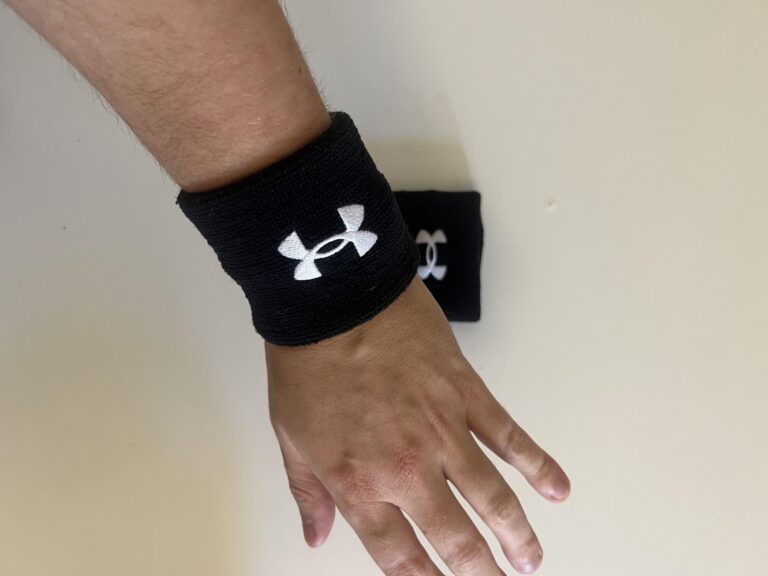
- Use a wristband if forearm sweat reaches your palm.
- Do not store a damp paddle sealed in a hot bag.
- Let the handle dry after long sessions.
Our paddle-care guide covers broader maintenance.
Overgrip for sweaty hands
If sweat is the main problem, prioritize moisture management over maximum dry tack. A towel, wristband and drying your hand between games can also extend usable grip life. If one style becomes slick quickly, changing material is more sensible than replacing the same unsuitable grip more often.
Overgrip for dry hands
Players with dry hands may prefer a tackier surface because moisture absorption is less important. But more tack is not automatically better: excessive stickiness can make subtle grip changes awkward.
Can overgrip hide the handle bevels?
Yes. Thick material, multiple layers or heavy overlap can soften handle edges. Some players like the cushioning; others use bevels to sense paddle-face orientation. If bevel feedback matters, use a thinner wrap and fewer layers.
Overgrip and two-handed backhands
Two-handed players should consider both length and final circumference. A thick multi-layer wrap can make the upper hand feel crowded. Wrap the full usable section and test the actual backhand.
A simple overgrip test
- Hit 10 relaxed dinks and notice whether hand tension stays low.
- Hit 10 drives and check for rotation inside the hand.
- Hit 20 rapid forehand-backhand volleys.
- Serve at normal pace.
- If you use two hands, hit 10 two-handed backhands.
The grip should improve security without making the handle too large or grip changes awkward.
Common overgrip mistakes
Waiting until the grip is destroyed
If traction has clearly declined, squeezing harder adds little value.
Adding layers without considering circumference
Every layer makes the handle larger.
Using heavy overlap accidentally
This can create a much thicker handle than intended.
Ignoring sweat and climate
A tacky grip that feels excellent indoors may behave differently in a hot outdoor session.
Confusing an overgrip with a replacement grip
If the underlying grip is damaged, covering it may preserve an uneven base rather than solve the problem.
FAQ
Do pickleball paddles need an overgrip?
No. If the factory grip fits and provides enough traction, an overgrip is optional.
How often should I change my pickleball overgrip?
Replace it when traction, tack or sweat management noticeably deteriorates. Playing frequency, sweat and climate make a fixed hourly rule unreliable.
Can I put an overgrip over the original grip?
Yes. That is the normal installation.
Does an overgrip make the handle bigger?
Yes. The amount depends on material thickness and overlap.
Does an overgrip change paddle balance?
Slightly. It adds mass close to the hand, which can shift balance toward the handle, with much less swing-weight effect than head weighting.
Is a tacky or absorbent overgrip better?
Neither universally. Tacky grips often suit drier hands; absorbent grips are a useful starting point for heavy sweaters.
Bottom line
A pickleball overgrip should solve a specific hand-contact problem: slipping, sweat, minor sizing or worn surface feel. Choose material based on how your hands behave, wrap with consistent overlap, and replace it when performance declines rather than compensating with excess hand tension. Keep final handle size in mind, because the best overgrip is one you barely notice while playing.

Jonathan Grøn is a pickleball player and racket-sports enthusiast who focuses on practical doubles strategy, rules, skills, and training. He combines regular on-court experience with research from official rules, coaching resources, and other authoritative sources to create clear, useful pickleball guides.