Pickleball Bag Checklist: What to Carry for Games & Tournaments
A good pickleball bag should make it easy to start playing, handle small equipment problems, and stay comfortable without carrying half your house to the court. The simplest approach is to separate true essentials from useful backups and tournament-specific extras.
This checklist is for regular recreational play, league nights and tournament days. It is not a “best pickleball bag” product list, and you do not need every item below every time you play.
The 7 true pickleball bag essentials
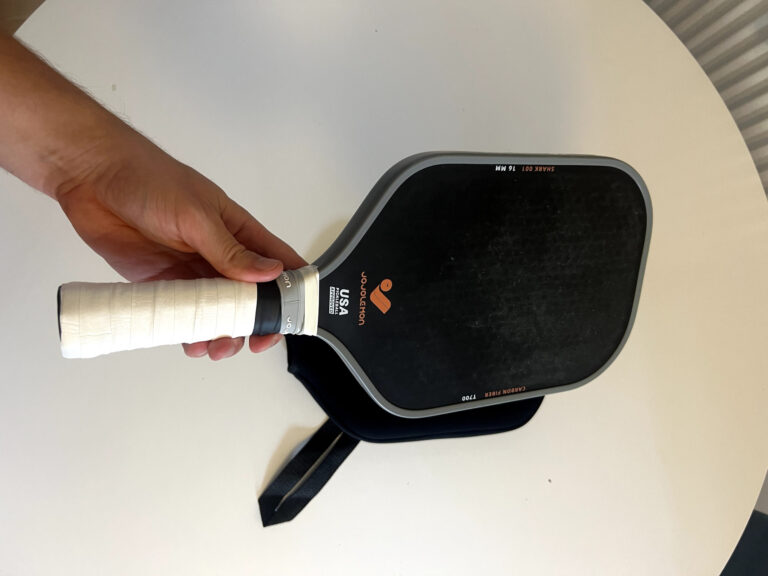
- Your main paddle. Check the face, edge and grip before leaving home.
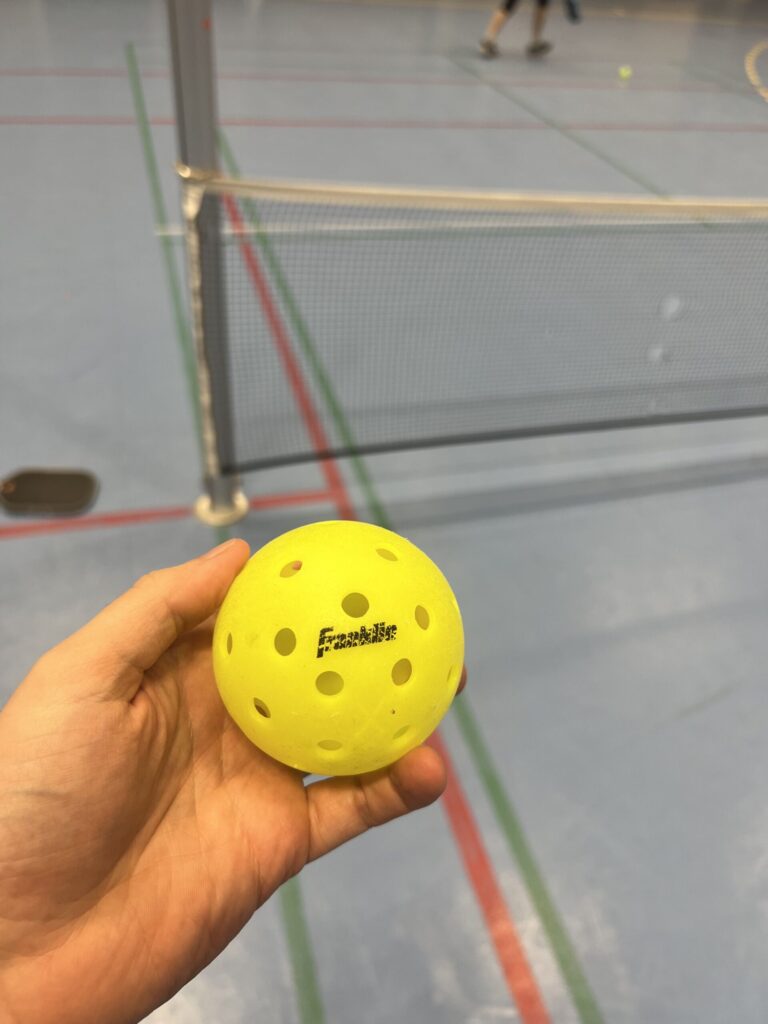
- Pickleballs. Carry the type you actually expect to use for warm-up or practice.
- Water. Bring enough that you are not relying on a fountain being available.
- Court shoes. If you do not travel in them, keep them near the top of the bag.
- Phone, keys and wallet. Use one secure pocket so they do not mix with balls and loose gear.
- Small towel. Useful for sweat, damp hands, a wet grip or a slightly damp bench.
- Basic weather layer. Sunglasses/cap outdoors or a light layer indoors if the venue runs cold.
If you are only playing a casual hour close to home, that may be enough.
Useful backup gear
Backup items matter most when a small failure would end your session or make the rest of it unpleasant.
- Backup paddle: most useful for tournaments, long league sessions or if your primary paddle is already heavily used.
- Extra overgrip: light, cheap and useful if the current grip becomes slippery or damaged.
- Spare shoelace: a broken lace is rare, but a spare takes almost no space.
- Bandage/blister kit: useful for minor skin issues; this is not a substitute for medical care.
- Extra socks: one of the highest-value comfort items on hot or wet days.
- Small plastic or wet bag: separates sweaty clothes from clean gear after play.
For paddle maintenance, our paddle care guide covers cleaning, storage and what not to use on the face.
What to pack for outdoor pickleball
Outdoor play adds sun, wind, temperature and court-condition variables. Depending on the forecast, add:
- cap or visor;
- sunglasses;
- sunscreen;
- extra water;
- small towel;
- light rain shell;
- extra socks;
- an extra ball or two in case one cracks.
Cold conditions can change ball feel and durability, so our cold-weather pickleball guide is useful if you regularly play outdoors in low temperatures.
What to pack for indoor pickleball
Indoor sessions usually need less weather gear, but a few items become more useful:
- the ball type used by the venue;
- clean indoor court shoes if the facility requires them;
- a light warm-up layer;
- a towel if the hall gets humid;
- earplugs only if you personally prefer them in loud multi-court halls.
Do not assume every indoor venue uses the same ball. Some facilities use indoor-specific balls; others use harder outdoor-style balls indoors.
Tournament-day additions
Tournament play raises the cost of forgetting something, so add a few layers of redundancy.
- Backup paddle you have already used. A tournament is a poor place to discover that a new backup feels completely different.
- Charging cable or power bank. Useful if brackets, check-in or communication depend on your phone.
- Food you know you tolerate. Tournament timing can be unpredictable.
- Extra shirt and socks. Especially useful across multiple matches.
- Any required identification or registration information.
- Your event schedule/check-in details saved offline. This is useful if venue internet is weak.
For sanctioned USA Pickleball competition, the player is responsible for confirming that the exact paddle used for match play is approved and listed appropriately. Do that before tournament morning rather than assuming a familiar brand name is enough.
Our paddle legality checker guide explains how to verify the exact model, while our tournament preparation timeline covers the broader day-before and match-day process.
Do you need to bring your own pickleballs to a tournament?
Bring a few if you want them for warm-up, but do not assume your personal ball will be the match ball. In sanctioned tournament play, the Tournament Director selects the tournament ball from the approved equipment list.
That means your practice balls are still useful—but their main job may be pre-match warm-up rather than competition.
A compact tournament packing checklist
| Category | Pack |
|---|---|
| Play | Main paddle, backup paddle, warm-up balls, court shoes |
| Hydration | Water/electrolyte drink you already use |
| Food | Familiar snacks/meals for the expected event length |
| Clothing | Extra shirt, socks, weather layer |
| Small repairs | Overgrip, spare lace, simple blister supplies |
| Admin | Phone, ID, registration/check-in details, charger/power bank |
What not to overpack
A heavier bag is not automatically a better-prepared bag. Avoid carrying duplicates you never use just because there is empty space.
- Five paddles when you realistically use one or two.
- A full sleeve of balls when the venue supplies them and you only need warm-up balls.
- Large tools or cleaning products that belong at home.
- Multiple clothing layers that do the same job.
- Loose valuables mixed into the main compartment.
The goal is fast access and enough redundancy to solve likely problems.
How to organize the bag
Pack by access frequency rather than by item type.
- Top/easy-access: paddle, balls, water, towel.
- Dedicated shoe area: shoes away from clean clothes if your bag allows it.
- Small zip pocket: phone, wallet, keys, overgrip, spare lace.
- Bottom/secondary area: backup paddle, extra clothing and weather gear.
- Separate wet section: sweaty shirt, damp towel and socks after play.
This makes the bag faster to use between games and lowers the chance of losing small items.
How big should a pickleball bag be?
Choose capacity from what you actually carry, not from the largest bag available.
| Use | Practical capacity need |
|---|---|
| Short recreational session | 1–2 paddles, a few balls, water and small personal items |
| Regular league/practice | Add shoes, towel, spare layer and small backup gear |
| Tournament day | Add clothing changes, food, backup paddle and charging/admin items |
A separate shoe compartment, protected paddle area and at least one secure small-items pocket are often more useful than raw liter capacity.
The simplest rule
Pack in three layers: PLAY → BACKUP → CONDITIONS.
- PLAY: the equipment you need for the next point.
- BACKUP: the small items that prevent one failure from ending the session.
- CONDITIONS: water, clothing and weather/tournament extras for the environment you are actually entering.
If an item does not solve one of those three jobs, it probably does not need to live permanently in your pickleball bag.
Sources
- USA Pickleball: Official 2026 Rulebook and Equipment Standards
- USA Pickleball: Approved Paddle List
- USA Pickleball: Approved Ball List

Jonathan Grøn is a pickleball player and racket-sports enthusiast who focuses on practical doubles strategy, rules, skills, and training. He combines regular on-court experience with research from official rules, coaching resources, and other authoritative sources to create clear, useful pickleball guides.