Pickleball Shoes vs Running Shoes: What the Court Demands
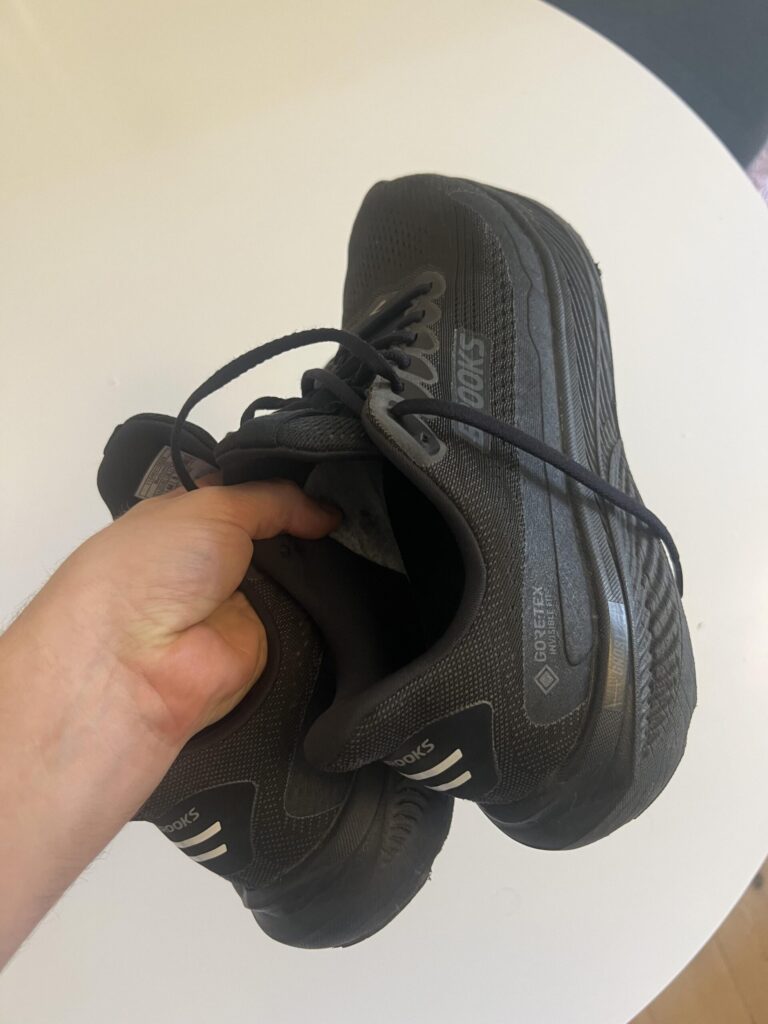
Running shoes are built mainly around repeated forward motion; pickleball asks for lateral shuffles, quick stops, pivots and changes of direction. That is why a court shoe is usually the more appropriate starting category for regular pickleball play.
But “pickleball shoe” on the box does not guarantee a good fit. Foot shape, court surface, traction and comfort still matter.
The Movement Difference
| Demand | Running shoe priority | Court shoe priority |
|---|---|---|
| Forward running | High | Moderate |
| Lateral movement | Usually secondary | High |
| Hard stops / direction changes | Less central to design | Core design problem |
| Outsole on abrasive court | Road/track durability | Court-specific traction and wear |
| Upper support during side loads | Varies | Usually more emphasized |
AAOS distinguishes court shoes from running shoes and notes that court shoes are designed to provide stability in multiple directions. ASICS makes the same practical distinction for pickleball: sharp turns and lateral movement make side-to-side support important.
Why Lateral Stability Matters
Pickleball rallies repeatedly ask you to move sideways and then stop. A tall, soft running platform can feel comfortable moving forward yet less controlled when your body loads the shoe sideways.
That does not mean every running shoe is dangerous or every court shoe prevents injury. It means the design problem is different, and regular players should test footwear under the movements they actually use.
Traction Has to Match the Surface
Too little grip can cause sliding; too much grip can make pivots feel abrupt. Outdoor acrylic courts are also abrasive, so outsole durability matters more than it does on some indoor surfaces.
If you regularly switch between wood gym floors and outdoor acrylic, one shoe may not feel ideal on both. The actual playing surface should therefore be part of the shoe decision.
Fit Still Beats Category Labels
AAOS recommends checking heel hold, toe-box room and sport-specific fit. A court shoe that crushes your toes or allows your heel to slide is not a good choice simply because the outsole is designed for lateral play.
- Heel should stay secure during shuffles.
- Toes need room rather than hitting the front on stops.
- Upper should feel stable when you push laterally.
- No immediate pressure point should be ignored with the hope the shoe will “fix itself.”
A Five-Minute Store Test
- Walk normally.
- Perform several controlled lateral shuffles.
- Plant and change direction on each side.
- Do a few split-step-to-first-step movements.
- Check whether the foot slides inside the upper or the heel lifts.
Use the same socks you normally play in. The goal is not to imitate a full rally in a shop; it is to expose obvious fit or containment problems before purchase.
When a Running Shoe May Still Be Fine
For light introductory sessions, some players may already own a stable shoe that feels secure enough. The more frequently you play, the harder you move laterally, and the more abrasive the surface, the stronger the case becomes for footwear designed around court movement.
If you have a history of foot/ankle problems or pain with play, footwear selection may need individualized advice from a qualified clinician rather than a generic gear guide.
Sources
- American Academy of Orthopaedic Surgeons: Athletic Shoe Selection
- ASICS: Guide to Pickleball Shoes
- USTA: Court Movement and Footwear

Jonathan Grøn is a pickleball player and racket-sports enthusiast who focuses on practical doubles strategy, rules, skills, and training. He combines regular on-court experience with research from official rules, coaching resources, and other authoritative sources to create clear, useful pickleball guides.